



Kiwa
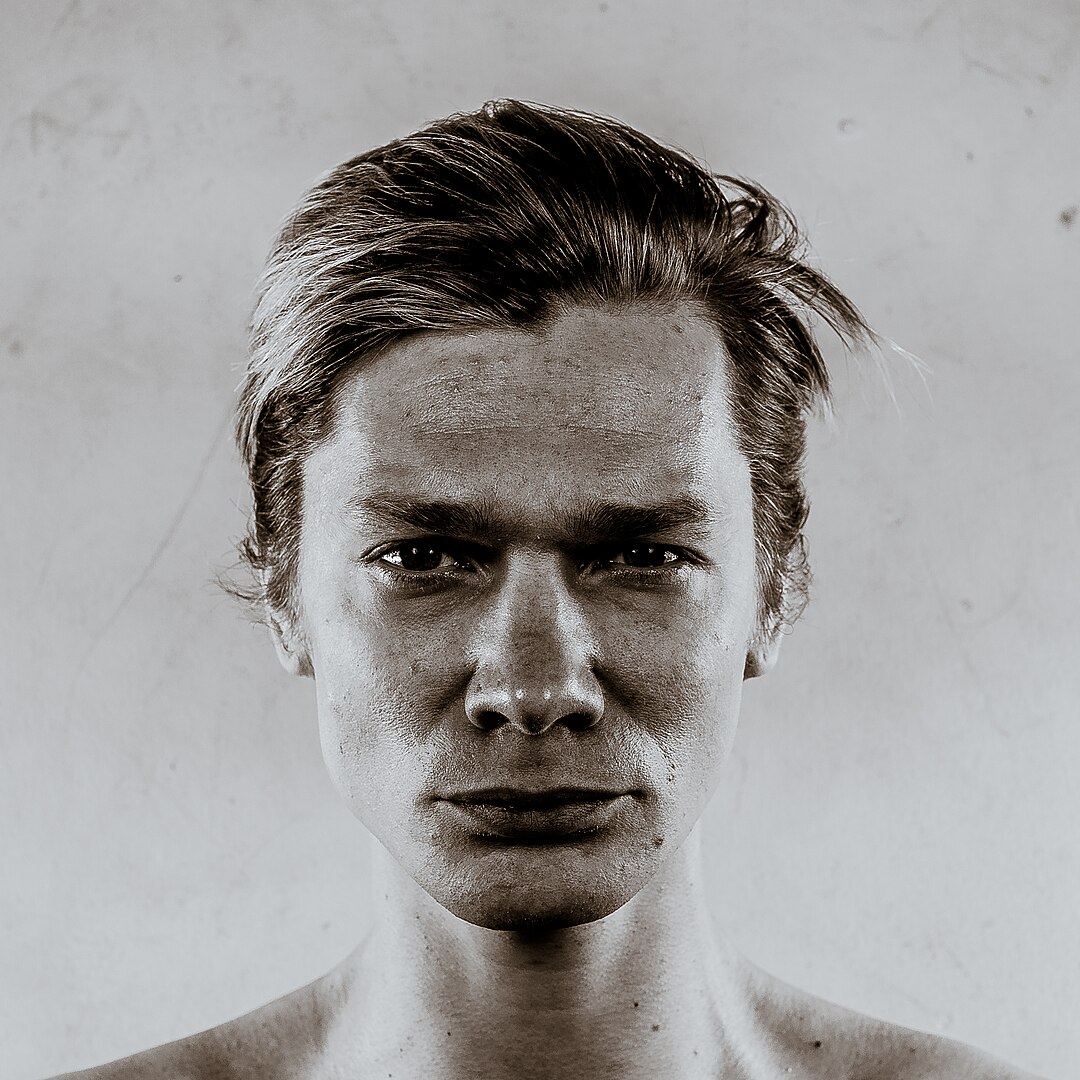
Kiwa (real name Jaanus Kivaste, born 11 November 1975) is an artist, sound artist and writer.
Kiwa has studied sculpture at Tartu Art School and the Estonian Academy of Arts and philosophy at the University of Tartu. From 1993–1996, he was a member of the Tartu punk band Nyrok City. Kiwa is one of the best-known Estonian contemporary artists who has participated in more than 400 exhibitions across the world, including at Moderna Museet (Malmö, Sweden), Tate Modern (London, UK), Stedelijk (Amsterdam, Netherlands) and the Kitchen (New York, US). Kiwa has received the artist’s salary and the Ela ja sära (‘Live and Shine’) scholarship. In 2014, he founded the ;paranoia publisher which releases mainly avant-garde literature. Kiwa has organised numerous sound art and underground music events in Estonia.
Since the 1990s, Kiwa has stood out as an experimenter who mixes different media, codes and levels of meaning. Postmodernist experimentation also characterises his literary creation, so, for example, Roboti tee on nihe. Salatühik (‘Robot’s Way is a Shift. A Secret Blank’, 2004) has extremely fragmentary form and interrupted narration.
Kummiliimiallikad (‘Rubber Glue Springs’, 2022) also experiments with language and style. The book won the language and style award at the novel competition of the Estonian Writers’ Union in 2021 and the Writer of the Year title from Juhan Liiv Museum in 2022. The intertextual novel which, among other sources, alludes to Alice in Wonderland depicts the disintegrating Soviet empire of the second half of the 1980s in a shifted key. Along with other psychotropic substances, rubber glue used to be one of the means for splitting reality there. Volatility of space and time and imaginative paraphrase of that time’s reality also enable us to read the book as an alternative historical dystopia.
The novel Tagasi Hukkunud Alpinisti hotelli (‘Back to the Dead Mountaineer’s Hotel’, 2025) is a kind of autofictional insight into the protagonist’s lifelong obsession with the Estonian cult film “Hukkunud Alpinisti” hotell (‘Dead Mountaineer’s Hotel’, 1979). Existential and ontological themes emerge: science fiction, collapse, isolation from oneself, alienation and estrangement, experience and mental state, the margins of consciousness. The connections between hyperrealist culture, Buddhist philosophy of emptiness and the sovereignty of the mind are discussed, as well as the connecting points between electronic music and futuristic technology. The cognitive patterns behind paranormal beliefs and the limits of cultural imagination are also analyzed.
Kiwa’s articles, reviews and essays are collected in Kogetud Manifestid 1991-2024 (‘Experienced Manifests 1991-2024’, 2024).
A. K. (Translated by I. A.)
Books in Estonian
Lastehaiglast põgenenud mänguasjad. Tallinn: Eesti Keele Sihtasutus, 2002, 21 lk
Roboti tee on nihe. Salatühik. Tallinn: Eesti Kunstimuuseum, 2004, 61 lk. [2. trükk: 2025.]
Lennuki kõrval toas. Tartu: Paranoia Publishing Group, 2014, 191 lk
Kummiliimiallikad. Tallinn: Tänapäev, 2021, 164 lk
Kogetud manifestid 1991-2024. Tartu: Vabamõtleja, 2024, 230 lk.
Tagasi Hukkunud Alpinisti hotelli : teisik – täisik – tühik. Tartu: ;paranoia, 2025, 286 lk.
